
If you’ve already decided Valencia is your next destination — and if you haven’t, check out our Valencia vs. Barcelona comparison — the next question is when to come. As a guide who walks this city every week with visitors from all over the world, the honest answer is: it depends on what you’re after.
But if you want the short version, April to June and September to October offer the best combination of good weather and a city you can still enjoy without the crowds. Here’s the full picture: weather, festivals, crowds, and which time of year suits which kind of traveler.

High, Mid, and Low Season in Valencia
High season: July and August, plus Las Fallas week in mid-March. As in the rest of Spain, July and August are the classic holiday months, dominated by sun-and-sand tourism — there’s cultural tourism too, just less of it than at other times of year. These are the liveliest dates, but also the busiest, with prices rising accordingly — book your accommodation ahead.
Mid season: April to June and September to October. For most travelers, this is the sweet spot: warm enough to enjoy the city and the beach, without summer’s crowds or extreme heat.
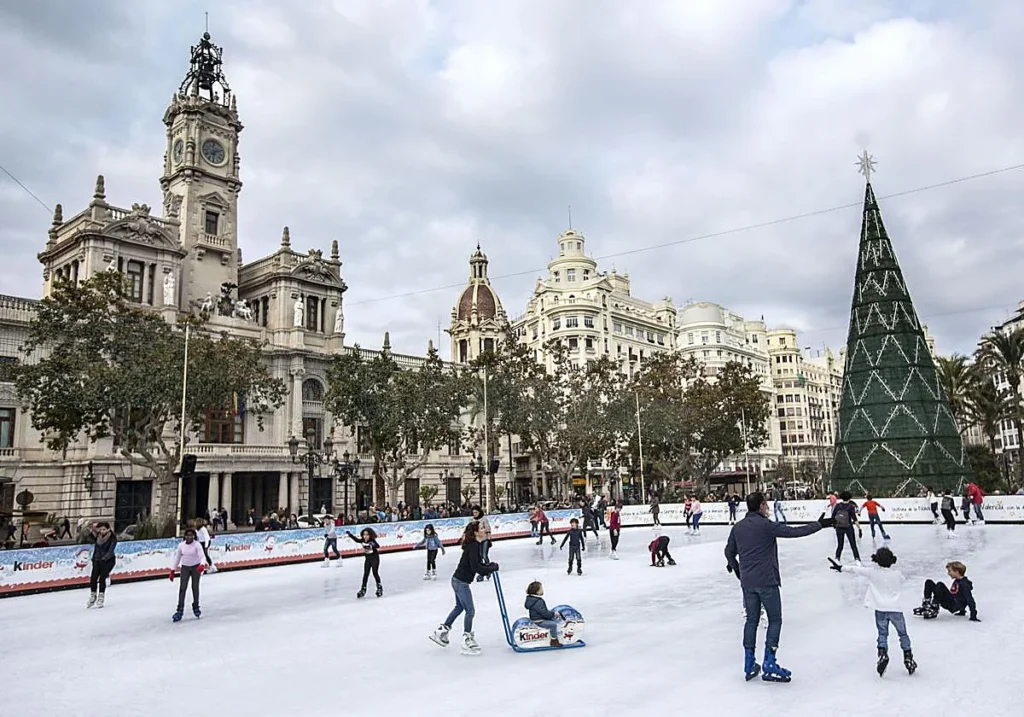
Low season: November through February, aside from Christmas. The city becomes quieter, prices drop, and it’s still a genuinely pleasant place to be — a lot of visitors are surprised at how good Valencia feels in the middle of winter.
The Weather, Season by Season
Valencia has one of the mildest climates in mainland Spain, and it shows even in winter.
Winter (Dec–Feb): highs around 15–16°C, with plenty of sunshine. Rain is the exception here, not the rule.
Spring (Mar–May): temperatures climb from around 19°C in March to 24°C in May — probably the most enjoyable stretch of the year for exploring the city on foot.
Summer (Jun–Aug): highs of 29–31°C, with July as the driest month and the odd storm rolling through in August. Prime beach season, though it’s worth planning your hours carefully if walking tours are part of the plan too.
Autumn (Sep–Nov): warm days easing from 27°C down to 18°C by November. September is technically the rainiest month of the year, but it tends to arrive as short, intense storms — what locals call a gota fría — rather than grey, overcast days. In fact, you can still swim in October: if it’s not raining, daytime temperatures stay warm enough and the water is still pleasant.
Festivals and Tradition
This is where Valencia really sets itself apart from other destinations, and where picking the right dates can completely change the kind of trip you have.
Las Fallas (15–19 March) is, by far, the city’s biggest celebration.
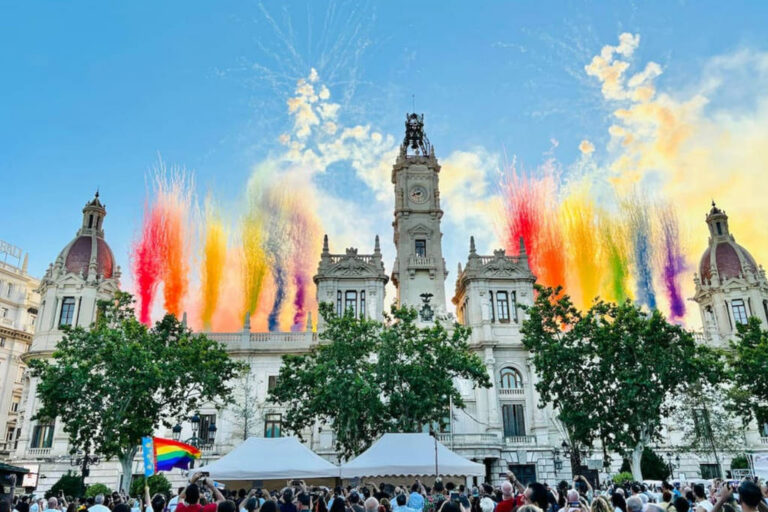
The plantà — when the giant satirical monuments, huge cardboard sculptures, go up across the city — happens on the 15th, followed by the daily mascletà firework display at 2pm in Plaza del Ayuntamiento, a floral offering to the Virgin on the 17th and 18th, and the cremà on the night of the 19th, when everything burns. But Fallas doesn’t start on the 15th: from March 1st onward, there’s already a “pre-Fallas” buzz in the air, with a daily mascletà and plenty of night-time atmosphere on weekends. Little by little the city center closes to traffic and turns into what I’d call organized chaos — festive chaos, that is. If you’re coming for the main dates, book accommodation months in advance: the city fills up and prices rise a lot.
Semana Santa Marinera usually falls in April, though the exact date shifts every year with the lunar calendar that governs Easter — and some years it follows almost immediately after Las Fallas. Unlike in other Spanish cities, the processions here take place only in Valencia’s maritime districts (El Cabañal, El Grau…), not in the historic center — a great excuse to explore that much-less-visited part of the city. A curious fact for anyone traveling in 2027: that year, the Fallas cremà on 19 March coincides with Viernes de Dolor, the opening procession of Semana Santa Marinera — something almost unprecedented.
Feria de Julio, the city’s big summer fair, brings free concerts, fireworks displays, daily mascletàs, and a flower battle. Unlike Fallas, the atmosphere here isn’t spread across the whole city but concentrated in specific spots with more music and activities, making it a much less crowded festival.
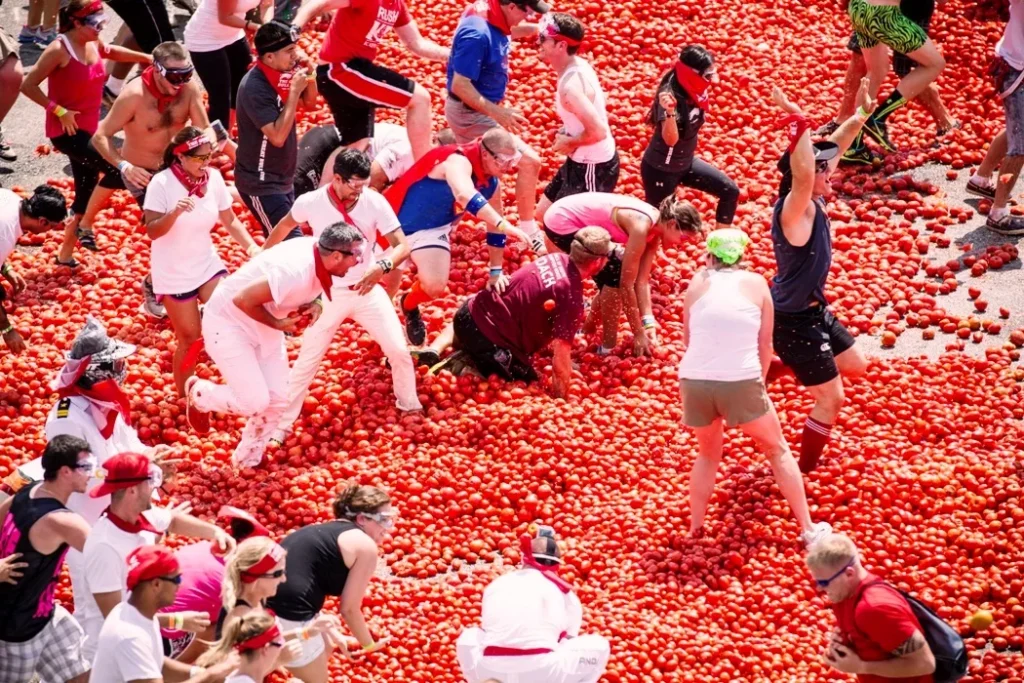
9th de octubre, the Día de la Comunitat Valenciana, marks King Jaume I’s entry into the city in 1238. Traditions include the Mocadorà — a silk handkerchief filled with marzipan sweets, exchanged the way Valencians mark their own “day of lovers” — along with the ceremonial lowering of the Real Senyera flag and a Moors and Christians parade.
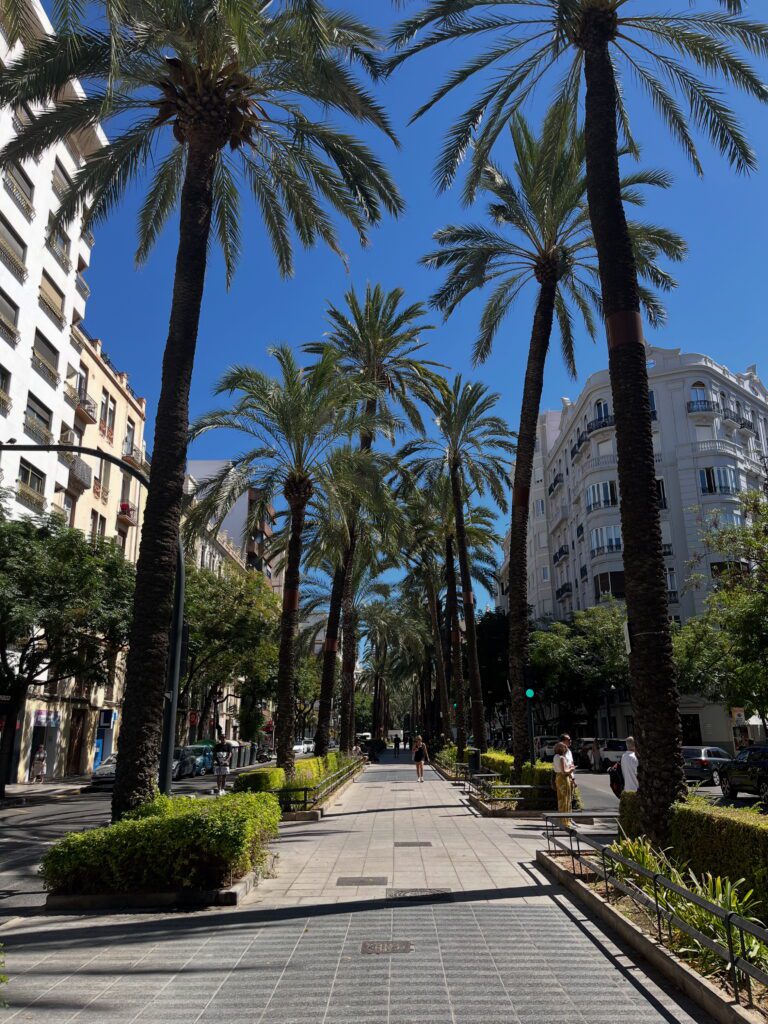
La Tomatina, held on the last Wednesday of August in the nearby town of Buñol (just over 40km away), isn’t strictly a Valencia city event, but it makes for an easy day trip — and it’s famous enough worldwide that plenty of travelers plan their visit around it.
Best Time to Visit, by Traveler Type
- Pleasant weather and walking the city: April–June or September–October
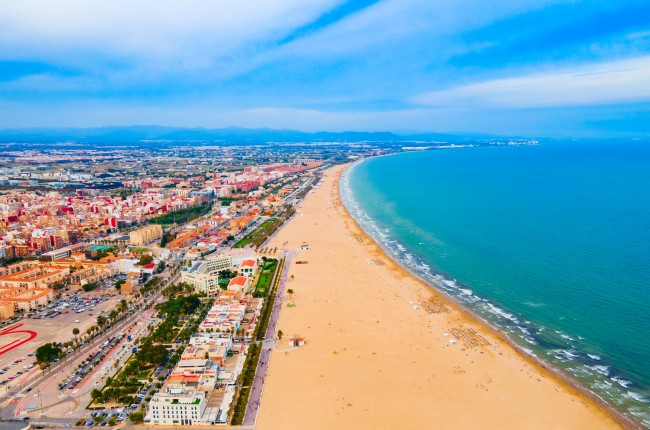
- Beach time: June–September
- Budget-friendly: November–February
- A festival experience: March (Las Fallas) or July (Feria de Julio)
Crowds and Price
May and October, precisely because they’re the best months to experience Valencia, are also when the historic center sees the most people on its streets. Even so, Valencia offers plenty beyond its old town: the Turia Gardens, the City of Arts and Sciences, the waterfront, or the Albufera are great alternatives for escaping the crowds.
In summer, the historic center actually sees less crowding than you might expect — with the heat, most people head to the beach instead, which does get packed. August, in fact, is a curious month: the city empties out of locals, because we’re the ones fleeing the heat on vacation, not because we don’t love our own city. During Fallas week, on the other hand, crowding is general across the whole center.
On price: the most expensive months tend to be July and August, driven by high sun-and-sand tourism demand, along with Fallas week, which has its own price spike as one of the most in-demand weeks of the year. The cheapest stretch is November through February, simply because it’s low season — and, as mentioned, most of those days are sunny, so if you’re after an affordable cultural getaway, this is a season I’d recommend without hesitation.
My Favorite Time to Visit Valencia
People always talk about summer or winter, but for me, spring is the city’s season. It’s true a few days of rain in a row can happen then, which is unusual for Valencia the rest of the year, but it’s still my favorite time. It starts in March, with longer days and a bit more warmth — though a jacket is still worth packing for mornings and evenings — and kicks off with Las Fallas. April flows straight into Semana Santa and other religious holidays, so the festive mood carries on, and by then the weather is usually pleasant enough to properly enjoy life outdoors, with terraces full and the city living outside.
Whatever time of year you come, we run cultural tours all year round to help you discover Valencia — from the essential city walk to more alternative options like our El Carmen tour or our street art tour. If you want to dig deeper into the city’s history, there’s our Vice and Virtue tour, where we explore the Cathedral and La Lonja de la Seda. If you travel for the food, we run a food tour too. And if you’re after something more exclusive, you can book a private tour with us, tailored to what you want, which can even take you to spots further afield like the Albufera or the City of Arts and Sciences.


